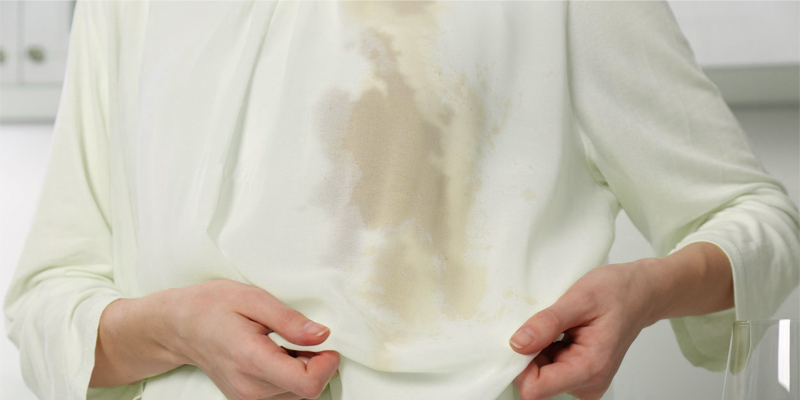
Sunscreen protects your skin, but it isn't always kind to your clothes. Those greasy patches and yellowish marks — especially on lighter fabrics — are one of the more stubborn laundry problems out there. Here's a breakdown of exactly why it happens and how to remove it, whether the stain is fresh or already set in.
Why Does Sunscreen Stain Clothes?
Most sunscreens contain oils and UV-filtering chemicals like avobenzone, which is exactly what makes the formula stick to skin — and unfortunately, to fabric too. Things get worse if you live somewhere with hard water: the minerals in the water can react with those chemicals and leave a yellow or orange tint behind, which is especially noticeable on whites and pastels. Because the stain is oil-based, it won't just rinse out — it needs proper treatment.
How to Remove Fresh Sunscreen Stains
Scrape off the excess — while the fabric is still damp, gently scrape away any leftover sunscreen with a dull knife or the edge of a card. Don't rub, or you'll push the oils deeper into the fibres.
Rinse with cold water — flush the back of the stain with cold water as soon as possible. The sooner you rinse, the less chance the stain has to set.
Pre-treat — apply a pre-wash stain remover or a heavy-duty liquid detergent directly onto the mark. Lather it in with warm water using your fingers or a soft brush, then let it sit for 10–15 minutes so it can break down the oils. No stain remover on hand? Dish soap works surprisingly well since it's built to cut through grease.
Wash in warm water — use a detergent made for oil-based stains. If your area has hard water, a water softener can stop minerals from reacting with any leftover sunscreen residue. Not sure about your machine's best settings? Our washing machine using guide covers it.
Check before drying — inspect the fabric once the wash is done. If the stain's still there, repeat the pre-treat and wash steps before it ever goes near a dryer — heat will lock the stain in permanently.
Dealing With Yellow Sunscreen Stains on White Clothes
Yellow staining usually happens when avobenzone reacts with the minerals in hard water — and it needs a slightly different approach than a fresh grease mark:
Use distilled water for rinsing and washing — this avoids adding more minerals into the mix.
Pre-treat with white vinegar or lemon juice — mix equal parts vinegar and water (or use fresh lemon juice) and let it sit on the stain for 10–15 minutes. Both work as natural, acidic stain fighters.
Wash with oxygen-based bleach — this lifts yellowing without damaging the fabric. Add it to your usual detergent and run a normal cycle.
⚠️ Important: never use chlorine bleach on sunscreen stains — it can react with avobenzone and actually make the yellowing worse.
Quick Comparison: Which Method Should You Use?
Method | Best For | How It Works | Safe for Whites? | |
|---|---|---|---|---|
Cold water rinse | Fresh stains | Flushes out surface residue before it sets | Yes | |
Detergent + warm water | Everyday grease stains | Breaks down oils in the fabric | Yes | |
Dish soap | Fresh grease, no stain remover on hand | Cuts through oil quickly | Yes | |
White vinegar / lemon juice | Set-in yellow stains | Acidity breaks down oxidised residue | Yes | |
Oxygen-based bleach | Yellow stains on whites | Lifts discolouration without weakening fibres | Yes | |
Chlorine bleach | ❌ Not recommended | Reacts with avobenzone, worsens yellowing | No |
Preventing Sunscreen Stains Before They Happen
Let sunscreen dry fully — apply it about 20 minutes before getting dressed so it has time to absorb.
Choose mineral sunscreens — formulas with zinc oxide or titanium dioxide tend to stain less than avobenzone-based ones.
Wear darker fabrics when you know you'll be applying sunscreen — stains are far less visible.
Rinse off right after swimming — sunscreen residue combined with pool or sea water sets into fabric fast if left untreated.
When Home Remedies Aren't Enough
Some sunscreen stains — especially older, set-in yellow ones — need more than a home fix. That's where we come in. At Nearest Laundry, professional stain removal is part of our everyday wash and fold service and dry cleaning services. We deal with exactly this kind of stubborn staining regularly, so you don't have to keep guessing what will work.
More Laundry Guides You Might Find Useful