We are pretty habited of putting our clothes in the washing machine, pouring detergent powder and thinking our clothes are now clean. We are also confident after we give our clothes to the laundry. But cleanliness is not hygienic; this is merely a fallacy. Cleaning means the removal of dirt while retaining hygiene means deep cleaning, getting rid of dirt, bacteria and pathogens. Clean clothing is, therefore, not necessarily hygienic. A high washing temperature and chemicals can deeply clean the garments, but the risk is always there. Hygienic clothes mean when the clothes are cleaned not only perfectly but ensure no germs or smells.
However, now a maximum number of people are opting for the cleaning mechanism that offers not only cleaning by hygienic clean clothes. Retaining hygiene practices ensures the overall health of the family. Detergents used in Laundry help retain good hygiene by getting deep into the clothes and cleaning the grease, stains, dirt and soil. In a normal situation, simply following the care label of the items and the instructions mentioned on the detergent will give you the requisite results.
Some of the laundry items that need extra Hygiene and care
For the items that get dirty easily and quickly and have more germs, like kitchen towels, bed linen, towels or items of a sick person, underwear with faeces etc, experts suggest a more targeted approach.
- Wash the items separately.
- Use the ling cycles at high temperatures.
- Use high-quality detergent that contains active oxygen bleach or specially designed laundry.
- Keep the items dry inside the tumbler instantly after washing.
Do you know germs are present in the washing machine also? It can be a big source of causing infection. As the germs enter the water and laundry, they can create biofilms that stick to the machine, especially in plastic areas like the detergent drawer. The germs can get detached while rinsing and contaminate clothes in the wash.
If you are getting musty smells from clothes after washing, this means there are germs. The germs also grow by feeding sweat residues. It can also cause unpleasant smells and odours, mainly if the clothes are left damp for a maximum period. It is advised to clean your washing machine regularly.
How We Can Remove the Germs and Ensure Hygienically clean clothes?
The hygienic clothes are retained with the right combination of temperature, best quality laundry products and proper mechanism. Heat kills germs and improves the efficiency of laundry products. Keep the temperature to 60°C to wash the clothes. Many people opt to reduce the temperature to 30-40 degrees C to reduce energy costs, allowing germs to grow. If you tend to wash the clothes at less temperature, you can try to offset this by keeping wash time for a longer period or using antibacterial properties.
Tips For Hygienic Cleanliness
Wash the clothes or items at least 60°C temperature, with a bleach-based detergent and standard wash cycle. You can include in it sports clothing, nappies, dish towels, pet blankets or bedding.
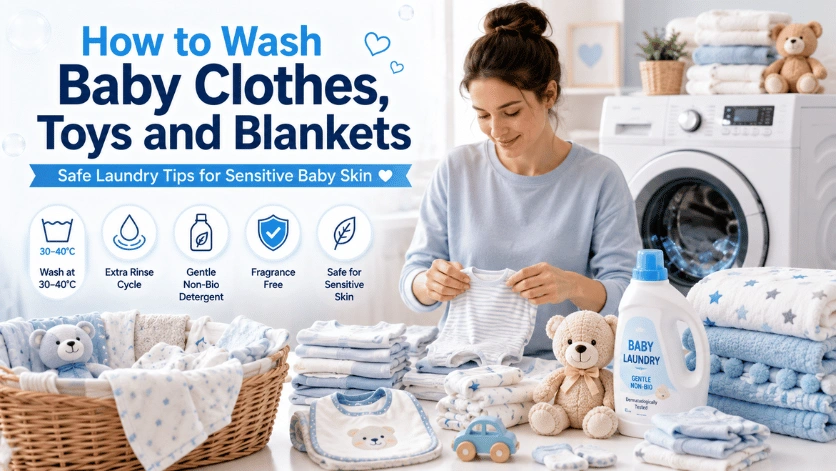
For the items that you cannot wash with bleach or at high temperatures, it is advised that you prewash by soaking in cold water with a non-bleach detergent. Then wash your clothes at 30 to 40 degrees temperature.
- Avoid overloading the machine, and make sure to put the correct quantity of detergent. Dry laundry as soon as possible after washing. Do not leave the clothes in washing machines the whole night.
- If you are using a shared laundry facility, use the bleach-based product and set the temperature at 40-60°C.
- Do not forget to clean your washing machine after every two months.
The laundry task is boring for many, so we take it casually. But it is a must for ensuring the health of the family. These are small tips but very crucial. In the laundry services, the clothes are washed to perfection and with proper hygiene and care of health.